Latest News

Financial Stress Is Rising Even as Employment Remains Strong
Employment levels remain historically strong, yet financial anxiety among households continues to rise. New spending patterns, savings behavior, and everyday decisions suggest that having a job no longer guarantees financial stability.
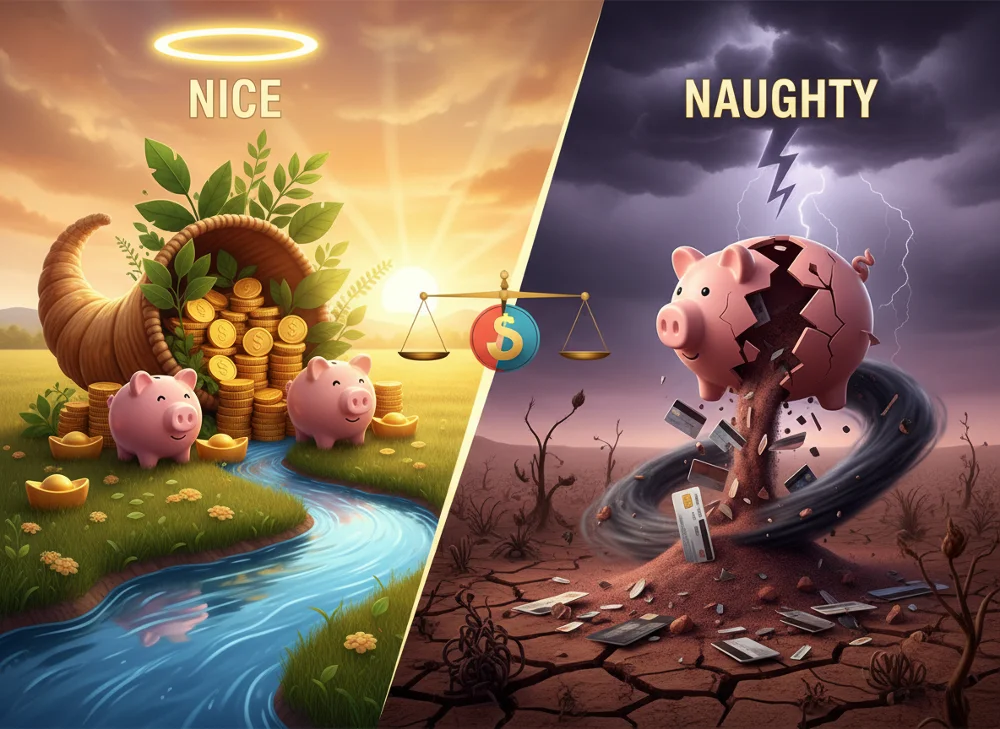
The Financial “Nice” and “Naughty” List for 2026: Habits That Will Either Save or Sink Your Money
As 2026 approaches, many people focus on goals rather than habits. But in personal finance, habits quietly decide outcomes long before goals ever matter. This expert guide breaks down which money behaviors deserve a place on your “nice” list — and which ones belong firmly on the “naughty” side if you want financial stability in the year ahead.
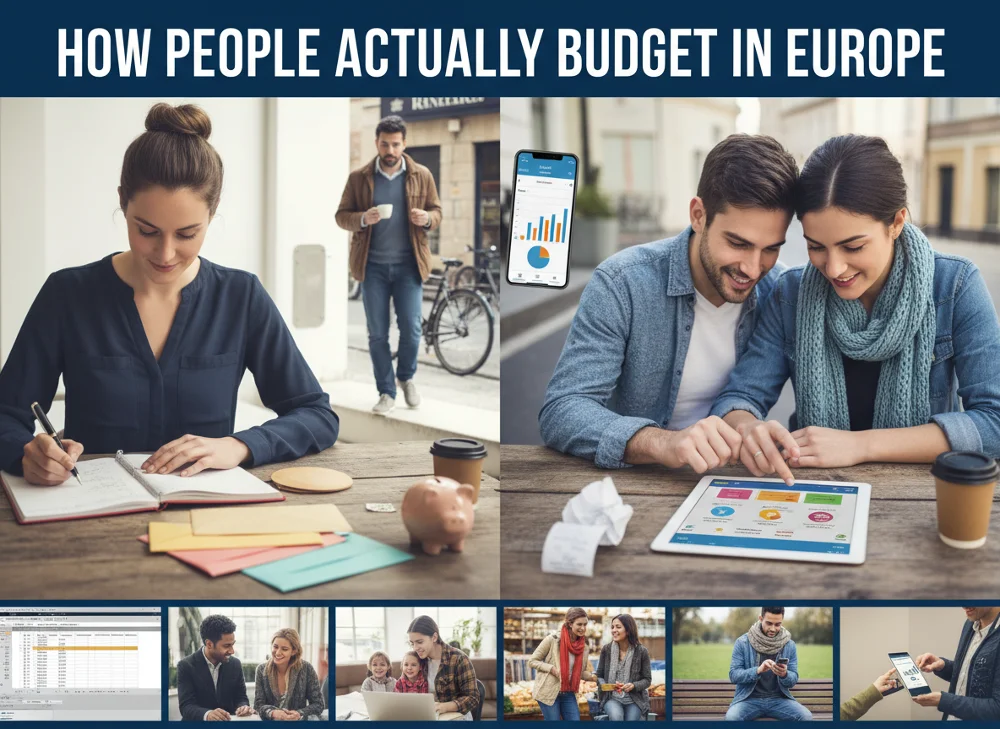
How People Actually Budget in Europe in 2025: A Research Report Based on Real Behavior
Budgeting in Europe looks very different depending on the country — but the gap between “how people think they budget” and “how they actually manage money” is surprisingly consistent. This research report analyzes budgeting behavior across major European countries in 2025, revealing real habits, common mistakes, and how inflation and digital tools are reshaping personal finance.

Holiday Spending Expected to Drop 10%: What Households Are Doing to Protect Their Budgets
Many consumers across the U.S. and Europe plan to reduce their holiday spending by nearly 10%. Rising living costs, cautious sentiment about 2026, and a shift toward financial “reset habits” push households to rethink gifts, travel plans, and discretionary purchases. Here’s what’s really happening behind the numbers — and how families are turning restraint into resilience.
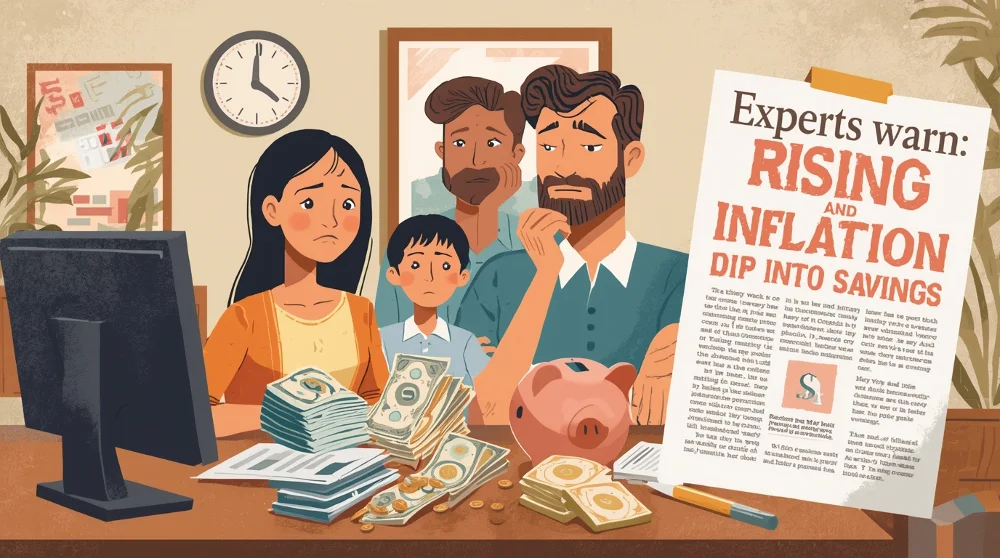
Experts Warn High Cost-of-Living and Persistent Inflation Are Driving Households to Dip Into Their Savings
Across Canada and many other countries, households are increasingly relying on their savings to keep up with everyday expenses as inflation, housing costs, and essential services continue to rise. Financial advisers caution that this trend may have lasting consequences on long-term financial stability, retirement security, and overall economic resilience.
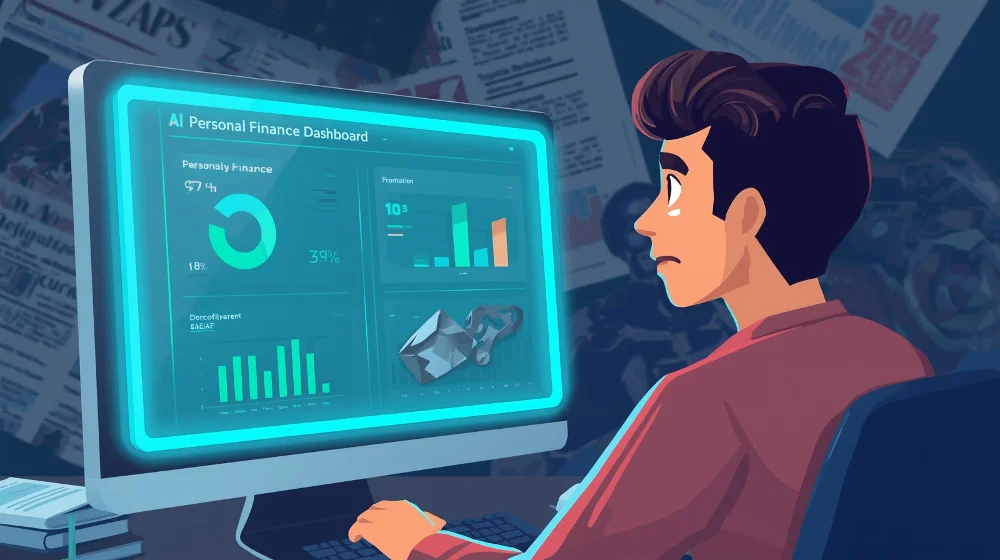
Personal Finance and AI: Why More Europeans Are Turning to Chatbots for Investment Guidance
A growing number of Europeans rely on AI tools for financial advice, even as experts warn about overconfidence in automated recommendations. This report looks at how consumers use AI for budgeting, investing, and debt decisions — and where caution is still needed.

EU Launches Ambitious Financial Literacy Strategy to Empower Citizens
On 30 September 2025, the European Commission unveiled a comprehensive financial-literacy strategy aimed at equipping citizens across the EU with the skills and tools to manage money confidently, while introducing new “Savings and Investment Accounts” (SIAs) to facilitate access to investment.
Poland’s Central Bank Cuts Rates to 4.25%: What the Move Means for Household Budgets and Borrowing Costs
Poland’s Monetary Policy Council has reduced the country’s key interest rate to 4.25%, marking another step in its gradual easing cycle. The decision affects mortgage rates, consumer loans, savings returns, and general household financial planning. Here is what borrowers and savers should know now.

How ECB Rate Policy Is Shaping Everyday Spending Across the Eurozone
With the European Central Bank (ECB) signalling that interest rates will remain unchanged for the foreseeable future, households across the euro-area are increasingly finding that monetary policy is directly affecting their budgets. This article explores how the decision to hold rates, combined with inflation and income trends, is influencing borrowing costs, savings behaviour and spending choices—and what consumers should do to navigate this environment.

Where to Park Cash Now: High-Yield Savings Accounts and Where Rates Top 4–5%
As traditional savings account interest rates languish near zero, a number of online banks are currently offering high-yield savings accounts (HYSAs) paying between about 4% and 5% APY. For savers looking to keep funds accessible but earn more, this could be a timely opportunity — though it’s crucial to check the fine print, understand variability and act before rates potentially drop.